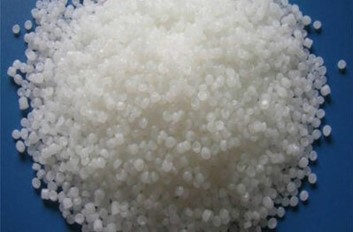


Abrasion and scratch resistant masterbatches are known as an engineered solution in the polymer industry to increase the life of parts in contact with abrasive surfaces. By combining special additives in the polymer base, these masterbatches not only reduce the coefficient of friction, but also significantly improve the resistance to abrasion and scratch. From a technical point of view, these masterbatches operate through various mechanisms, including creating a protective layer on the surface of the part, transferring the load to hard particles, and reducing direct contact between surfaces. This leads to a reduction in the wear rate, an increase in the life of the parts, and the maintenance of the original dimensions of the product throughout its working life. Also, by reducing friction, these masterbatches have a direct impact on reducing energy consumption and improving the efficiency of mechanical systems.
From a market perspective, these products have been widely welcomed due to the increasing need to produce durable parts in various industries. In the automotive industry, these masterbatches are used to produce parts such as bearings, gears and suspension components that are subject to constant wear and tear. In the packaging industry, material production and conveying machinery that includes polymer parts, enjoy high abrasion resistance using these masterbatches. In the mining and mineral processing industry, abrasive material conveying pipes and fittings produced with these masterbatches are able to withstand harsh working conditions. In addition, given the global trend towards producing products with long life and reducing downtime of devices, these masterbatches are considered as an economical and sustainable solution that helps reduce maintenance costs while improving performance.
A successful marketing strategy for these products relies on providing reliable laboratory data (such as Taber abrasion and wear tests, Pin-on-Disk friction tests, and specific abrasion and wear rate measurements), emphasizing savings from increased component life and reduced production line downtime, and providing certifications of compliance with international standards (such as ASTM G65, ISO 9352). With the global market for these products projected to grow by 7.8% annually through 2030, developing innovative, high-performance, environmentally friendly formulations appears to be the key to success in this competitive market.
As a result, abrasion and scratch resistant masterbatches are not just an additive, but a necessity for producing long-lasting, reliable-performing polymer parts that, by combining technical, economic and environmental benefits, have the potential to become a key factor in the development of durable industrial products.