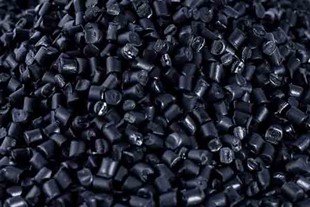


Impact resistant masterbatches are recognized as one of the essential solutions in the polymer industry to improve the mechanical performance of final products. By incorporating modifying elastomers into polymer bases, these masterbatches not only significantly increase the impact resistance of polymers, but also create a suitable balance between strength and toughness. From a technical point of view, these masterbatches work by various mechanisms, including creating a flexible phase in the polymer matrix, absorbing impact energy and preventing crack propagation. In the polyethylene base, these masterbatches are mainly formulated based on polyolefin elastomer (POE) and ethylene-vinyl acetate copolymer (EVA), which lead to improved impact resistance at low temperatures and increased flexibility of the final product. In the polypropylene base, EPDM and SBS are used to create a network of flexible particles in the semi-crystalline PP matrix, which significantly reduces the brittle-soft fracture temperature.
From a market perspective, these products have been widely accepted due to the increasing need to produce durable and resistant parts in various industries. In the automotive industry, these masterbatches are used to produce parts such as bumpers, dashboards and interior panels that require high resistance to impact and harsh environmental conditions. In the packaging industry, films and containers produced with these masterbatches have high resistance to tearing and impact. In the construction industry, pipes and fittings produced with these masterbatches are able to withstand mechanical stresses and impacts resulting from installation and operation. In addition, given the global trend towards producing durable products and reducing waste, these masterbatches are considered an economical and sustainable solution that helps reduce resource consumption while improving performance.
A successful marketing strategy for these products relies on providing reliable laboratory data (such as Izod, Charpy impact and tensile tests), emphasizing savings from extended product life and reduced maintenance costs, and providing certifications of compliance with international standards (such as ISO 179, ASTM D256). With the global market for these products projected to grow at an annual rate of 6.5% through 2028, developing innovative formulations with high performance and biocompatibility appears to be the key to success in this competitive market.
As a result, impact-resistant masterbatches are not only an additive, but a necessity for the production of polymer products with superior mechanical performance, which, by combining technical, economic and environmental benefits, have the potential to become a key factor in the development of safe and durable products.