


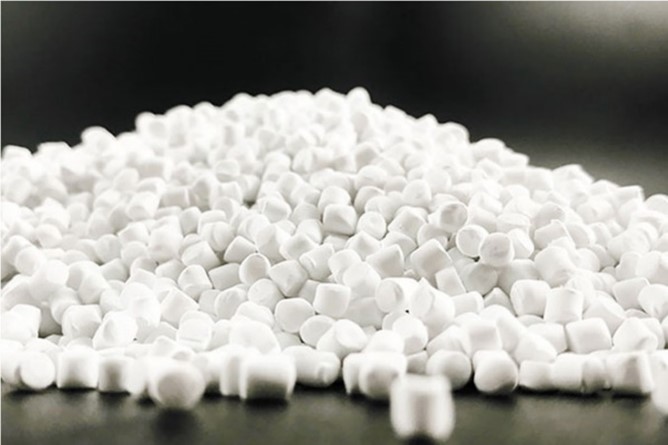
Heat-resistant masterbatches are recognized as a critical solution in the polymer industry to enable high-temperature processing and improve the thermal stability of the final product. By incorporating advanced thermal stabilizers into polymer bases, these masterbatches not only prevent thermal degradation of the polymer during the processing process, but also significantly increase the service life of the final product in high-temperature applications. From a technical perspective, these masterbatches act by various mechanisms, including free radical scavenging, hydroperoxide decomposition, and catalytic acid neutralization, and help maintain the structural integrity of the polymer against thermal stresses. This results in the preservation of mechanical properties, prevention of color change, and reduction of odor caused by thermal degradation. Also, these masterbatches have a positive effect on elongation at break by reducing the rate of oxidative degradation. In terms of marketability, these products have been welcomed by industries such as automotive, electronics, home appliances and food packaging
due to their high performance and compatibility with a wide range of polymers including polyolefins, PVC and engineering polymers. Especially in end-use applications that require performance at high temperatures and harsh environmental conditions, heat-resistant masterbatches are considered an essential alternative to base compounds. In addition, given the increasing trend of miniaturization in the electronics industry and the increase in engine operating temperatures in the automotive industry, these masterbatches are considered a vital technical solution that helps to increase product safety and reliability while improving performance. A successful marketing strategy for these products is based on providing valid thermal stability test data (such as OIT and TGA), emphasizing economic savings from increased production efficiency and reduced waste, and providing international standard certifications (such as UL and ISO). With the global market for these products forecast to grow by 6.8% annually through 2029, developing innovative formulations with exceptional thermal stability and biocompatibility appears to be the key to success in this competitive market.
As a result, heat-resistant masterbatches are not just a simple additive, but a strategic material in the polymer industry that, by combining technical and economic advantages, has the potential to become a pivot for innovation and the development of high-performance products.