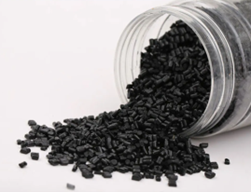


Flame retardant masterbatches are recognized as one of the essential solutions in the polymer industry to improve fire safety and reduce flammability risks. By incorporating flame retardant additives into polymer bases, these masterbatches not only prevent the spread of flame, but also provide sufficient time for evacuation and extinguishing of fire. From a technical point of view, these masterbatches work by various mechanisms such as surface cooling, creation of a flame protective layer, radical scavenging and dilution of flammable gases. This leads to an increase in the oxygen limit (LOI), a decrease in the flame spread rate and a decrease in smoke from combustion. Also, these masterbatches allow use in sensitive applications by maintaining the mechanical and electrical properties of the polymer.
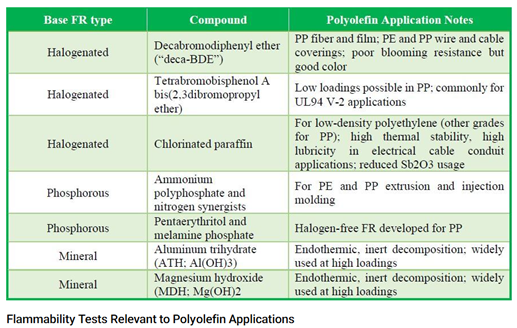
From a market perspective, these products have been welcomed by industries such as construction, electronics, automotive, and home appliances due to increasing safety requirements and stringent regulations. Especially in end-use applications where human safety is a priority, flame retardant masterbatches are considered an essential alternative to conventional compounds. Moreover, given the global trend of paying attention to safety and the environment, these masterbatches are considered a sustainable solution that helps reduce environmental risks while improving safety. A successful marketing strategy for these products is based on providing reliable standard certifications (such as UL94, IEC 60332ROHS), emphasizing compliance with international safety regulations, and providing customized solutions for various industries.
With the global market for these products expected to grow at an annual rate of 7.5% until 2030, it seems that the development of innovative formulations with high performance and reduced environmental impact will be the key to success in this competitive market. As a result, flame-retardant masterbatches are not just an additive, but a necessity in the polymer industry, which, by combining safety and technical benefits, have the potential to become a cornerstone for the production of safe and sustainable products.